
1. Teaching as a Calling
Modern society often speaks about teaching as a profession, a career, or a job. Discussions surrounding education frequently revolve around curriculum, assessment, technology, facilities, and resources. While these are undoubtedly important, Al Haadi School begins with a different question:
Who is the teacher?
We believe that no curriculum can rise above the quality of the educators entrusted with bringing it to life. A school may possess excellent facilities, textbooks, and programs, but if its teachers are not themselves engaged in intellectual, moral, and spiritual growth, the transformative potential of education remains unrealized.
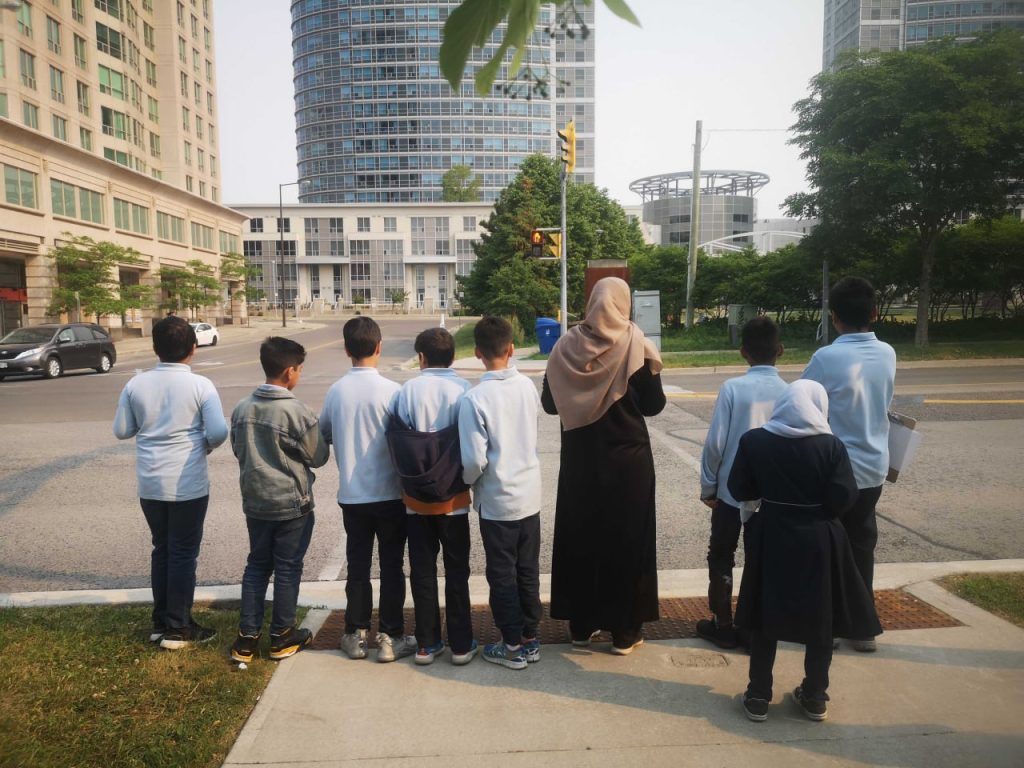
Educational philosopher Dwayne Huebner argued that teaching should not be understood merely as a profession or technical activity, but as a vocation – a calling. The word vocation itself derives from the idea of being called toward a particular purpose. For many educators, teaching is not simply a means of earning a living, but an opportunity to contribute meaningfully to the development of human beings and society.
At Al Haadi School, we view teaching through this lens. Teaching is not merely the delivery of information, nor is it simply the implementation of educational techniques. It is the privilege and responsibility of helping young people grow intellectually, ethically, spiritually, socially, and emotionally. It is a role that demands continual self-reflection, growth, and renewal.
2. The Teacher as the Heart of Education
Throughout history, educational reformers have proposed improvements to curriculum, facilities, textbooks, assessments, and technology. Yet one reality remains constant: the most influential factor within any educational system is the teacher. Professor Gholamali Haddad-Adel writes:
“The teacher should be regarded as the heart of education, and teacher training as the core of that heart.”
He further argues that every quality we hope to cultivate in future generations must first be cultivated within the teacher. The values, habits, knowledge, skills, and dispositions that we wish students to develop cannot be transmitted effectively unless they are first embodied by the educators themselves.
A gifted teacher can often compensate for deficiencies elsewhere within the educational system. An excellent curriculum placed in the hands of a poor teacher will achieve little. Conversely, a skilled and dedicated teacher can bring life, meaning, and inspiration even under less-than-ideal circumstances.
For this reason, Al Haadi School places extraordinary emphasis on teacher development. We believe that the quality of an educational institution can largely be measured by the quality of its teachers.
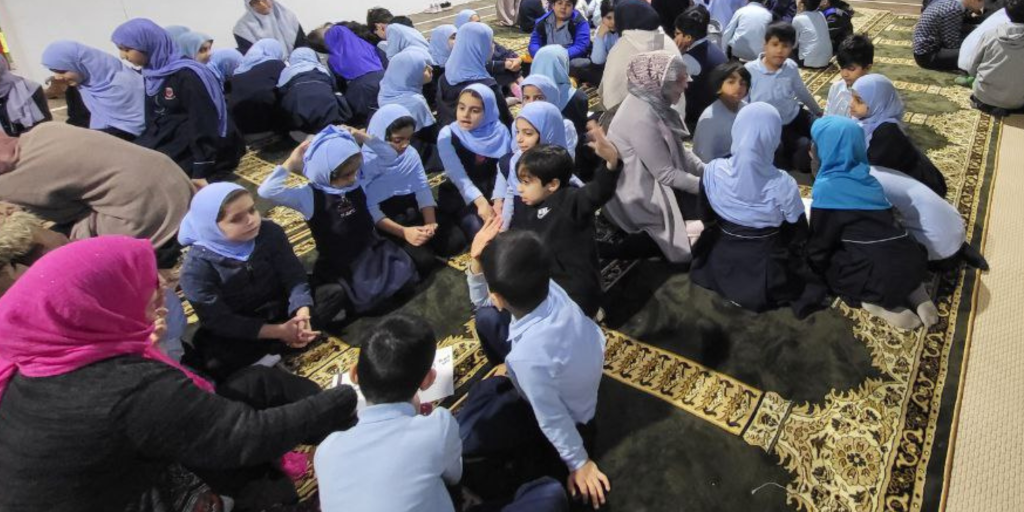
3. Teachers Teach Through Their Worldview
Our philosophy of teaching begins with a simple principle: Education is fundamentally transformational rather than merely transmissive.
A successful educational experience cannot be measured solely through grades, report cards, standardized testing, or academic achievement. While intellectual excellence is important, education must also shape character, worldview, habits, aspirations, and one’s relationship with Allah (swt). This understanding is deeply rooted within the Islamic tradition.
The Prophet Muhammad (p) transformed Arabia not merely through lectures or the transmission of information, but through companionship, mentorship, example, and character. His greatest achievement was the cultivation of human beings. Likewise, Imam Ali (a) and the Ahl al-Bayt (a) nurtured generations of scholars, leaders, and believers through intellectual, spiritual, and moral cultivation.
This concept is often captured by the term tarbiyah; the nurturing and cultivation of the human being. True tarbiyah cannot occur through curriculum documents alone. It requires living examples. The most important influence upon a student’s development is often not the textbook, lesson plan, or assessment, but the teacher who embodies the values being taught.
At Al Haadi School, our teachers are not viewed merely as instructors. They are mentors, role models, guides, and facilitators of transformation. Every teacher enters the classroom carrying assumptions about reality, knowledge, truth, morality, human nature, and the purpose of life. These assumptions shape how teachers interpret student behaviour, construct lessons, establish classroom culture, and define success.
Educational researcher Dr. Frank Pajares observed:
“Few would argue that the beliefs teachers hold influence their perceptions and judgments, which in turn, affect their behavior in the classroom, or that understanding the belief structures of teachers and teacher candidates is essential to improving their professional preparation and teaching practices.”
At Al Haadi School, we recognize that teaching is never worldview-neutral. For this reason, we do not view Islamic education as merely adding Islamic Studies and Quran classes to an otherwise secular educational framework. Rather, we seek to cultivate an integrated Islamic worldview that informs how educators understand knowledge itself, the purpose of education, the nature of the human being, and the relationship between learning and spiritual growth.
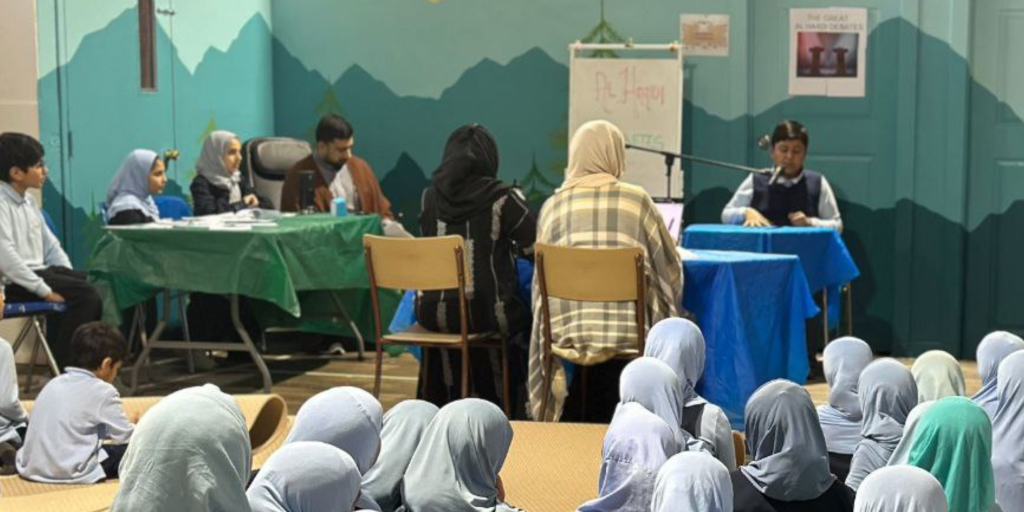
4. Beyond Degrees and Certifications
Professional qualifications matter. We highly value university degrees, teaching certifications, Early Childhood Education credentials, Montessori training, and other recognized professional qualifications. These credentials provide important foundations in child development, curriculum design, classroom management, assessment, and educational practice.
However, these programs were not designed to prepare educators to teach within the philosophical framework of Al Haadi School.
Most teacher education programs devote little attention to theology, metaphysics, ethics, intellectual history, spirituality, or the philosophical foundations of knowledge. Consequently, even highly qualified educators often arrive with limited exposure to the principles that underpin Islamic Pedagogy.
For this reason, teaching at Al Haadi School requires additional formation beyond conventional professional training. A qualified Al Haadi educator is someone who is committed to developing familiarity with:
- Islamic Theology
- Foundational principles of Islamic metaphysics
- Islamic ethics and character development
- Logic and critical reasoning
- Islamic Law and Practical Ethics
- Spirituality and self-development
- The Islamic intellectual tradition
- Islamic approaches to education and pedagogy
The purpose of this formation is not to transform every teacher into a scholar. Rather, it is to provide educators with a coherent intellectual and spiritual framework through which they can understand and teach their subjects.
5. The Teacher as a Lifelong Learner
One cannot guide others toward growth without being committed to growth oneself.
At Al Haadi School, we believe that teachers must remain students throughout their lives. Teaching is not a destination but a journey. It requires continual learning, reflection, self-assessment, and self-improvement. Our educators are expected to engage in ongoing professional development that includes both contemporary educational research and the study of Islamic Pedagogy. We encourage teachers to view themselves as active participants in a lifelong process of intellectual, ethical, and spiritual development.
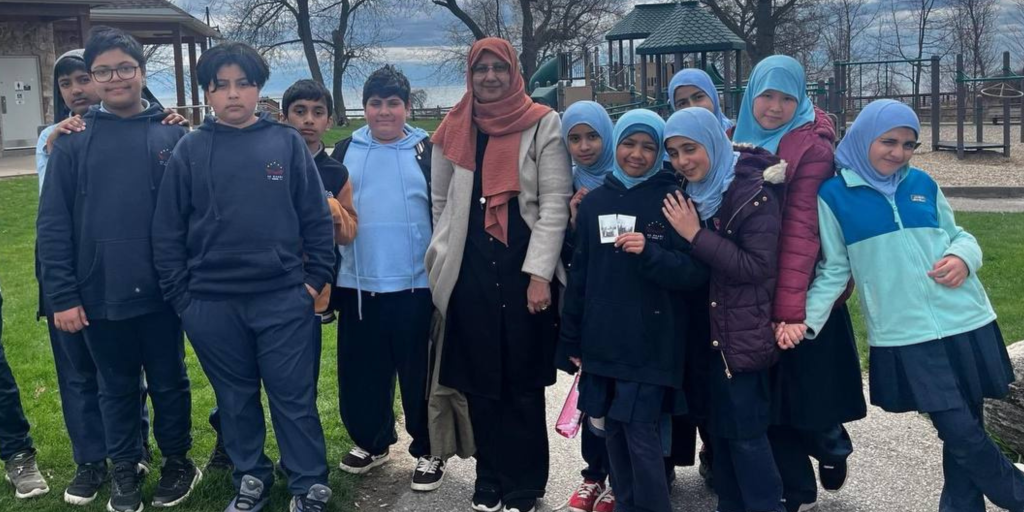
At the same time, teaching is often portrayed as an individual activity. In reality, great teachers are rarely formed in isolation. Teacher development occurs most effectively within a community of educators committed to a shared mission. Teachers learn from observing one another, discussing challenges, reflecting upon practice, sharing resources, receiving mentorship, and collectively pursuing excellence. The cultivation of a healthy professional culture is therefore one of our highest priorities. We seek to build an environment where educators support one another in both their professional growth and personal development, recognizing that teaching is a demanding vocation requiring collaboration, humility, and perseverance.
We also recognize that many talented educators within our community have not previously encountered formal training in Islamic Pedagogy. This should not discourage prospective applicants. We do not expect every candidate to arrive as an expert in Islamic educational theory. Rather, we seek individuals who possess the desire to learn, grow, and embark upon this journey.
The study of Islamic Pedagogy at Al Haadi School is not something acquired through a single workshop or training session. It is an ongoing process that unfolds through mentorship, professional development, classroom experience, observation, reflection, and practical application. For many educators, meaningful familiarity with our educational philosophy develops gradually over one to two years of active teaching and participation within the school community.
What matters most is not where a teacher begins, but whether they possess the humility, commitment, and openness necessary for continued growth. Teaching at Al Haadi School should therefore be viewed less as accepting a position and more as entering a process of formation—one that takes place alongside a community of educators striving together toward excellence in both teaching and character.
The teacher who ceases learning eventually loses the ability to inspire learning in others.
6. Expectations of New Teachers
Teaching is deeply rewarding, but it is not easy. We generally expect applicants to possess some prior experience working with children, whether in schools, camps, community programs, tutoring environments, youth organizations, or other educational settings.
The first year at Al Haadi School is often the most demanding. New teachers are simultaneously learning:
- School culture
- Curriculum requirements
- Long-range planning
- Weekly lesson preparation
- Classroom routines and expectations
- Islamic Pedagogy and Training Modules
- Collaborative planning processes
- Assessment practices
- Parent communication
As educators become more familiar with these expectations, the workload typically becomes more manageable and sustainable. The second year often allows teachers to focus more deeply on refinement and creativity.
7. Applying to Teach at Al Haadi School
Please visit our Careers page to see job openings. Individuals interested in joining our educational community are invited to submit their resume to: info@alhaadi.ca
If a suitable position becomes available and your qualifications align with our needs, we will contact you regarding the next stages of the process. Our hiring process generally includes:
Stage 1: Resume Review
Applicants submit their resume for consideration.
Stage 2: Board Interview
Selected candidates participate in a preliminary interview with members of the Board of Directors.
Stage 3: Principal Interview
Successful candidates proceed to a detailed interview with the Principal.
Stage 4: Demonstration Teaching
Candidates conduct at least two observed teaching periods with different grade levels, allowing us to assess instructional ability, classroom presence, communication skills, and interaction with students.
Final Selection
Candidates who successfully complete all stages may be contacted regarding employment opportunities.
8. After You Are Hired
Being hired at Al Haadi School is not the conclusion of the process; it is the beginning of a much longer journey.
As discussed throughout this page, we do not view teaching as merely the delivery of curriculum. We view teaching as a process of intellectual, ethical, and spiritual formation, both for students and for teachers themselves. Consequently, joining Al Haadi School means becoming part of a community committed to continual learning, reflection, and growth.
As part of the onboarding process, newly hired educators are required to complete two foundational training modules:
ITE (I): Islamic Theology for Muslim Educators
This module introduces the theological foundations that underpin our educational philosophy and explores how one’s understanding of Allah, the human being, purpose, and guidance influences educational practice.
ITE (II): Towards a Holistic Teaching Philosophy
This module introduces Al Haadi School’s holistic educational framework, our understanding of tarbiyah, the six dimensions of development, and the role of the teacher in facilitating transformational learning.
These two modules provide the minimum foundation necessary for understanding the educational philosophy of Al Haadi School. They help establish a shared language and conceptual framework among our educators. No teacher is allowed to begin teaching without going through these two modules.
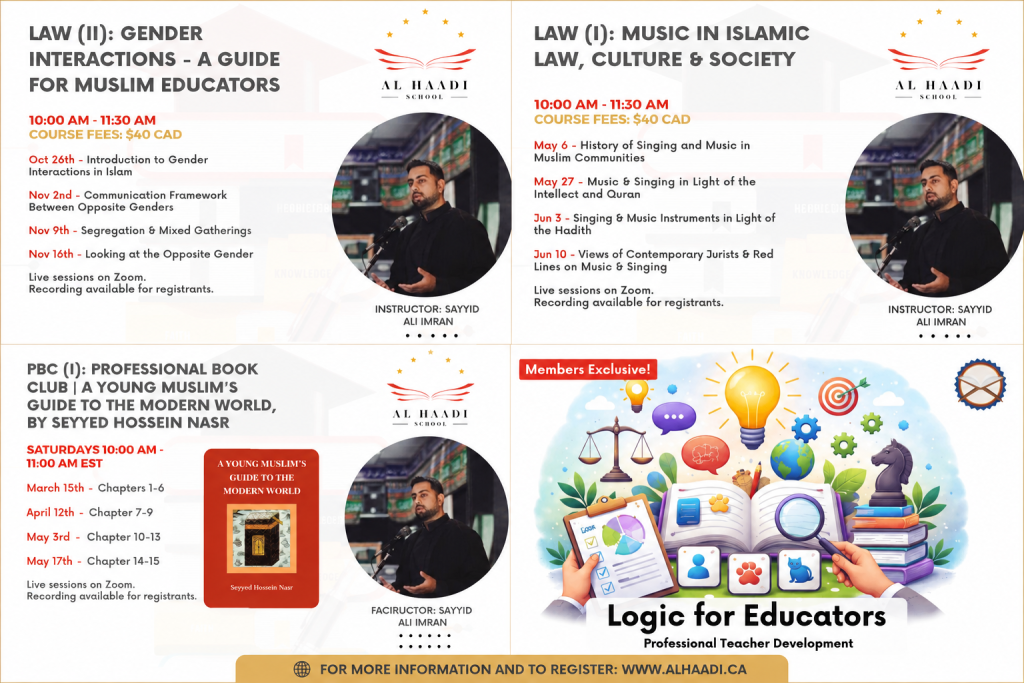
After beginning employment, teachers are encouraged to continue engaging with our broader Islamic Teacher Education program. At present, six training modules have been developed, with additional modules being added over time. These modules are intended to support teachers in deepening their understanding of Islamic Pedagogy and integrating it meaningfully into classroom practice.
For this reason, our greatest educational investment is not ultimately in curriculum, but in the formation of educators who are themselves committed to a lifelong journey of learning, faith, character, and service.
The future of education depends upon the formation of teachers. And the future of our students depends upon the educators entrusted with guiding them.